Storage seems like one of those boring home topics that people don’t think about until they need it. But the way you store things in your home actually affects your family’s safety more than you might realize.
It’s not just about keeping your house organized or making sure you can find things. Proper storage prevents accidents, keeps dangerous items away from kids, and protects valuable possessions from theft or damage.
The problem is that most people approach storage backwards. They wait until something goes wrong, like a child getting into something they shouldn’t or important documents getting damaged. Then they scramble to fix it. A better approach is thinking through what you have in your home right now and making sure it’s stored in a way that actually protects your family.
Understanding What Needs Secure Storage
Not everything in your house needs the same level of security. Some items just need to be organized and easy to find. Others need to be completely inaccessible to certain family members or protected from potential theft.
Medications are a perfect example. Prescription drugs, especially painkillers, need to be somewhere that kids absolutely cannot reach. Even over-the-counter medications can be dangerous if a child gets into them. A locked medicine cabinet or a lockbox kept on a high shelf works well for most families.
Cleaning supplies and chemicals are another category that needs attention. These products can cause serious harm if ingested or misused. Storing them under the sink might be convenient, but if you have young children, that’s not safe enough. Cabinet locks help, but dedicated storage in a garage or utility room that kids can’t access is better.
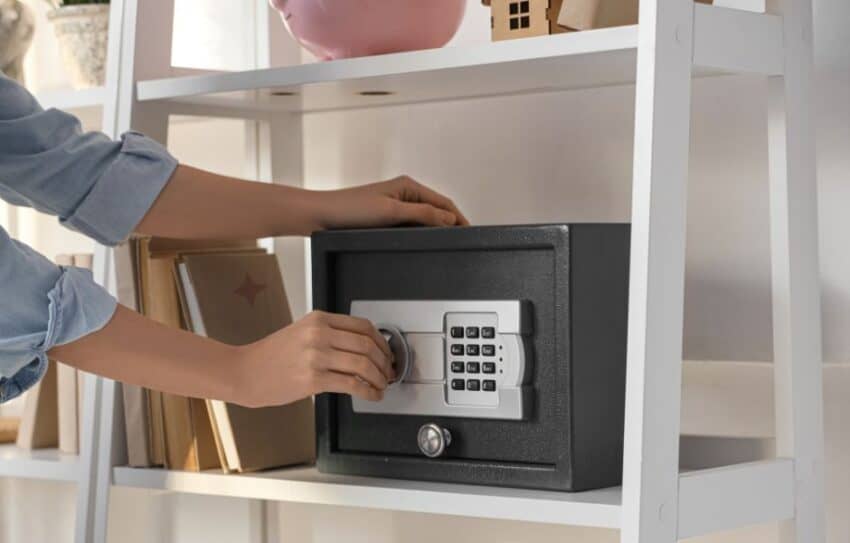
Important documents like birth certificates, passports, social security cards, and insurance policies need protection from both theft and damage. A fireproof safe or lockbox keeps these documents secure and gives you peace of mind that you’ll be able to access them if you ever need to prove your identity or file an insurance claim.
Then there are items that require more substantial security. Firearms, valuable jewellery, and collections need storage that prevents both unauthorized access and theft. This is where size becomes an important consideration. When thinking about secure storage for these items, you need to consider what gun safe size will work for your needs and What Seperates Liberty From The Rest as a trusted safe manufacturer. You’ll want storage that accommodates not just your current possessions but future additions as well. Many people buy storage that’s too small and end up needing to upgrade later, which costs more in the long run.
Making Storage Work for Different Ages
Families with young children face different storage challenges than families with teenagers or adult-only households. What works for a family with toddlers might not make sense for a family with responsible teenagers.
When children are young, height becomes your best friend. Storing dangerous items up high and out of reach provides a simple first layer of protection. But height alone isn’t enough for truly dangerous items. Kids are creative and determined, and they can climb or find ways to reach things you didn’t think they could access.
As children get older, the storage strategy needs to change. Teenagers might need access to certain items that younger kids shouldn’t touch, which means you need storage solutions that allow for different levels of access.
Some families use combination locks that older children know but younger ones don’t. Others use key-based locks and decide which family members get keys.
The key is regularly reassessing your storage as your family changes. What worked when your kids were five might not work when they’re ten.
Storage solutions should adapt to your family’s current situation, not stay the same for years without consideration.
Balancing Security and Accessibility
One of the biggest mistakes people make with secure storage is making it so difficult to access that they stop using it properly. If getting into your safe takes ten minutes and requires finding a key you keep in another room, you might start leaving things out that should be stored away.
Good storage solutions balance security with reasonable accessibility. You want protection, but you also want to actually use the storage system you set up. This is especially important for items you need to access regularly.
Think about your daily routines and how storage fits into them. If your storage system creates too much friction, you’ll work around it, which defeats the purpose. The goal is protection that you’ll actually maintain over time.
Location Matters as Much as the Container
Where you put your secure storage affects how well it works. A lockbox hidden in a closet provides more security than one sitting on a kitchen counter.
A safe bolted to the floor in a basement offers more protection than a small safe that someone could carry away.
Consider visibility when choosing locations. Some items benefit from being hidden, while others work fine in plain sight as long as they’re properly secured. A medicine cabinet in a bathroom is visible but serves its purpose if it’s properly locked and mounted out of reach.
For larger secure storage, think about areas of your home that aren’t immediately obvious to visitors but remain accessible to you. A bedroom closet is predictable. A corner of a finished basement or a utility room might be less expected. The harder it is for someone to find your secure storage, the better protected your possessions are.
Climate also matters for some items. Important documents and electronics can be damaged by humidity or temperature extremes. Choose storage locations that stay relatively stable year-round. Attics and unfinished basements might not be ideal for items sensitive to environmental conditions.
Avoiding Common Storage Mistakes
People make predictable mistakes when setting up secure storage. Learning from these common errors saves time and protects your family better.
Buying storage that’s too small is probably the most frequent mistake. People estimate what they need to store right now and buy exactly that much capacity.
Then six months later, they have more items that need secure storage and nowhere to put them. Always buy larger than you think you need.
Another mistake is assuming that any lock provides adequate security. Not all locks are created equal, and some can be picked or forced open fairly easily.
Research the security features of any storage solution before purchasing it. Look for solid construction, good reviews, and appropriate certifications for the level of security you need.
Forgetting to tell family members about storage systems can create problems. If only one person knows where important documents are stored or how to access emergency supplies, what happens if that person isn’t available during a crisis? Make sure appropriate family members know about your storage systems and how to access them if needed.
Making a Storage Plan That Works
Creating a storage plan doesn’t need to be complicated. Start by walking through your home and identifying items that need better storage. Group them by security level: items that just need to be out of reach, items that need locks, and items that need maximum security.
Then match storage solutions to each category. Simple cabinet locks might handle cleaning supplies. A lockbox could work for medications. More valuable or dangerous items might require a proper safe.
Set up your storage systems all at once if possible, or tackle them one category at a time if that’s more manageable. The important thing is actually doing it rather than putting it off indefinitely.
Once everything is set up, review your system every six months. Family situations change, you acquire new items, and kids get older. Your storage plan should change with your life rather than staying static.
Proper storage might not be the most exciting part of homeownership, but it’s one of the most important for keeping your family safe. Taking the time to set up good storage systems now prevents problems later and gives you confidence that your home is organized in a way that truly protects everyone.