
When children come into your life, so too does a wave of colour, creativity, and—let’s be honest—a mountain of toys. From teddy bears to a trampoline and childrens climbing frames, your home quickly transforms into a playground of fun and chaos.
But here’s the thing: creating a home that both nurtures your children’s play and satisfies your love for style doesn’t have to be a compromise. With a few clever choices and a little inspiration, you can strike the perfect balance between function and flair.
Welcome to the world of child-friendly design—where elegance meets adventure, and organisation meets imagination.
1. Embrace Play as Part of Your Aesthetic
One of the most common mistakes parents make is trying to hide or fight against the presence of toys. Instead, why not celebrate them as part of your home’s personality? Think of toys as temporary accessories—just like scatter cushions or wall art. Bright colours, playful shapes, and tactile materials can bring life to a room when integrated intentionally.
Choose storage and display solutions that highlight this playful energy. Open shelving units with neatly organised toys can double as décor, especially when you rotate items regularly to keep the space fresh. Use woven baskets, wooden crates, or soft fabric bins that fit your overall interior style—be it Scandi, boho, or modern farmhouse.
2. Create Zones That Blend with Grown-Up Spaces
A key strategy in designing with play in mind is zoning. Rather than banishing toys to one chaotic room, consider creating small, intentional play areas in your main living spaces. A reading nook with comfy cushions and a low bookshelf in the living room invites quiet time. A creative corner with a mini table and chalkboard can encourage artistic exploration without overwhelming the area.
The goal is to integrate—not isolate. Matching the colours of your children’s furniture and toys with your home’s palette can help unify the space. Choose soft greys, muted pastels, or natural wood finishes that feel at home next to your own furniture.
3. Stylish Storage is Your Best Friend
Every parent knows the magical effect of a good storage solution. It turns what feels like chaos into calm in minutes. But instead of basic plastic boxes, look for stylish options that suit your interior design.
Storage benches, toy chests with cushioned tops, and ottomans with hidden compartments are all smart ways to tidy up quickly while adding function to your space. In shared family areas, these dual-purpose pieces help keep the room feeling grown-up when playtime is over.
Wall-mounted pegboards or floating shelves can also be used for both storage and display, allowing you to show off favourite books, puzzles, or even mini artworks your children create.
4. Choose Multi-Functional Furniture
Designing a family home means getting creative with your furniture. Think tables that adjust in height, sofas with washable covers, or sideboards that double as art stations. Multi-functional pieces reduce clutter, support your lifestyle, and allow you to easily transition from play mode to relaxation.
Consider investing in furniture that can evolve with your children. For example, a modular sofa can be rearranged for floor play or movie nights, and a fold-away craft table can serve both homework and creative projects as they grow.
5. Make the Outdoors an Extension of Play
Never underestimate the value of outdoor space—whether it’s a sprawling garden or a modest patio. The outdoors can be just as stylish and child-friendly as your interior, especially with a few thoughtfully chosen play structures.
A Trampoline is a fantastic example. It provides endless entertainment and exercise, while modern designs now come in sleek black or grey finishes that blend more naturally with your garden’s aesthetics. Position it near a shaded area or surrounded by soft landscaping to create a cohesive look.
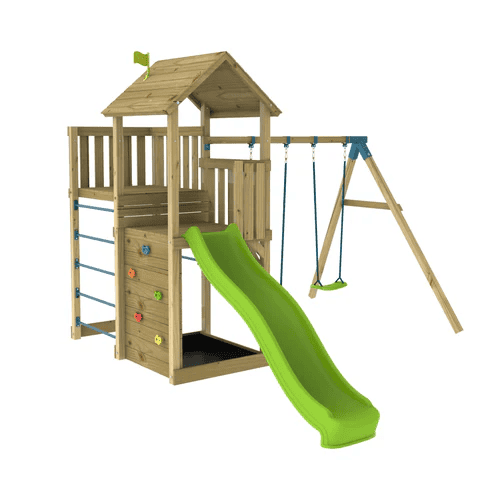
Childrens climbing frames are another outdoor essential that can double as architectural features. Opt for wooden frames or natural-toned plastics that harmonise with your garden design. You could even install a frame that includes a slide, lookout tower, or rope ladder, encouraging physical play and imaginative adventures. Position these frames on a soft play surface like bark chips or artificial grass to enhance safety and visual appeal.
By styling your garden as a natural continuation of your indoor space—with comfortable seating for adults, lighting, and decorative elements—you create a space the whole family can enjoy.
6. Let Your Walls Work for You
Walls are prime real estate in any child-friendly home. Use them to keep the floors clear and your children engaged. Magnetic boards, chalkboard paint, or cork noticeboards let you display your child’s masterpieces without cluttering shelves or countertops.
You can also mount low book ledges in a reading corner, or hang toy storage bags in creative patterns. Wall-mounted toy organisers are great for smaller spaces where floor space is limited, allowing your child easy access while keeping things tidy.
Consider decorating with prints or wallpaper that are playful yet tasteful. Think woodland animals, outer space, or abstract shapes that suit both children and adults. This way, the room grows with them and doesn’t feel too “babyish” over time.
7. Think Safety Without Sacrificing Style
Designing with children in mind often brings up safety concerns, but this doesn’t mean your home has to look clinical or bland. Rounded furniture edges, secure wall fixings, and soft rugs are all design-conscious ways to protect your little ones.
Choose durable, non-toxic materials wherever possible. Washable rugs, scrubbable paint, and wipe-clean upholstery are all smart investments that keep your home looking polished while standing up to the realities of family life.
8. Involve Your Children in the Process
When children feel like part of the design process, they’re more likely to respect the space and use it well. Let them pick the colours for their playroom or choose the theme for their reading corner. This not only empowers them but also creates a deeper connection to their environment.
You might be surprised at how thoughtful and creative their ideas are—some of the best family-friendly design moments come from blending adult sophistication with childlike wonder.

Final Thoughts: It’s All About Balance
At the end of the day, a home that reflects both the grown-ups and the little ones living in it is a truly successful design. You don’t have to give up your personal style to make space for toys, trampolines, or childrens climbing frames. By embracing clever storage, multi-functional furniture, and playful zones, your home can support the needs of a growing family without ever feeling overwhelmed.
With a little creativity and a lot of heart, you can craft a space that looks good, works hard, and brings joy to every member of the family—big and small.