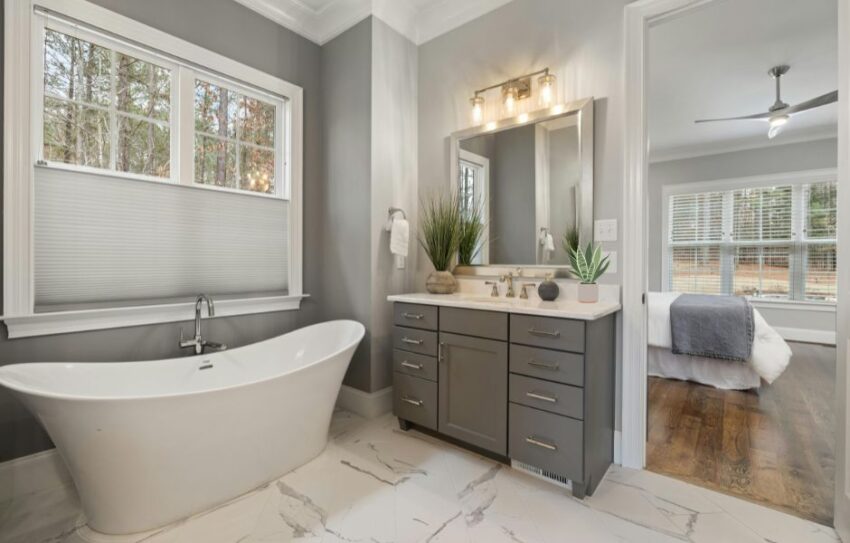
Modern bathroom design isn’t about following one particular look.
What works in a spacious family house may not suit a compact flat, while a period property often benefits from a different approach altogether. The most successful bathrooms balance contemporary style with the home’s character and the practical needs of the people using the space.
If you’re planning a Fully Fitted Bathroom, it helps to think about the property as a whole before choosing individual fixtures and finishes. The room size, available natural light, existing architecture, and everyday routine can all influence the design. With the right approach, modern features can work comfortably in almost any type of home.
Contemporary Ideas for a Family Bathroom
Family bathrooms need to cope with plenty of daily activity, so practicality should sit alongside appearance. Storage, durable surfaces, and a layout that lets more than one person use the room comfortably are particularly useful.
A modern family bathroom could combine a bath with a separate shower, depending on the available space. A vanity unit can provide storage for toiletries, while a mirrored cabinet can make use of wall space without adding another bulky feature.
For the visual design, neutral tiles can provide a flexible foundation, with colour introduced through towels, accessories or a feature wall. This makes it easier to update the room over time without replacing the main finishes.
Making a Small Flat Bathroom Feel Larger
Bathrooms in flats and apartments often have limited floor space, but they don’t have to feel cramped. A well-considered layout can make a big difference.
Wall-mounted furniture can leave more visible floor space, helping the room appear more open. A frameless or minimally framed shower screen can also maintain clearer sightlines, while a large mirror can reflect light and create a greater sense of depth.
When choosing tiles, consider large-format options or a simple, consistent colour palette. Fewer visual breaks can help the room feel more cohesive. This doesn’t mean avoiding colour or pattern altogether. A carefully selected feature area can still give a compact bathroom plenty of personality.
Modern Design for a Period Property
Older homes often have architectural details that are worth preserving. Rather than trying to make the bathroom look completely separate from the rest of the property, you can pair modern fittings with finishes that reflect the home’s character.
Traditional-style taps, framed mirrors or classic tile patterns can sit comfortably alongside contemporary sanitaryware. The result doesn’t need to be strictly traditional. Combining older influences with cleaner modern lines can create a bathroom that feels connected to the property’s history without appearing dated.
Colour can also help bridge the two styles. Soft neutrals, muted greens, warm whites and natural-looking materials can complement period features while keeping the overall design fresh.
Creating a Calm En-Suite
An en-suite is usually more compact than a main bathroom, so every design choice needs to earn its place. Rather than adding too many features, focus on creating a comfortable, uncluttered space.
A walk-in shower can use the available space efficiently, especially when paired with clear glass. A compact vanity unit can provide useful storage without overwhelming the room.
This is also a good place to experiment with a more personal design. A distinctive tile behind the basin or shower can act as a focal point, while softer lighting and warm textures can make the room feel more relaxing.
Designing for a Modern New-Build
New-build homes often provide a clean starting point, making it easier to create a contemporary bathroom from scratch. Simple lines, streamlined furniture and carefully selected finishes can work particularly well in this setting.
A restrained palette of two or three complementary tones can prevent the space from feeling overly clinical. Natural textures, such as stone-effect surfaces or wood-effect finishes, can add warmth without detracting from the modern aesthetic.
If the bathroom has limited natural light, consider finishes that reflect available light. Mirrors and lighter surfaces can help brighten the room, while well-placed lighting can add depth after dark.
Giving a Traditional Family Home a Contemporary Update
Some homes sit between period and modern design, with traditional layouts but more flexible interiors. In these properties, you can often introduce contemporary elements without creating a sharp contrast with the rest of the house.
Consider combining simple wall tiles with more distinctive flooring, or use modern sanitaryware alongside traditional-inspired hardware. Timber-effect furniture can also soften a bathroom filled with hard surfaces.

The aim is to create continuity rather than make every room look identical. Repeating a few colours, materials or finishes elsewhere in the home can help the bathroom feel like a natural part of the property.
Don’t Forget the Practical Details
Whatever type of home you live in, modern bathroom design needs to work beyond the photographs. A visually impressive room can quickly become frustrating if storage is limited, lighting is poor or surfaces are difficult to maintain.
Before finalising your design, consider:
- Storage: Make sure everyday toiletries, towels and cleaning products have practical places to go.
- Lighting: Combine useful task lighting with sufficient general illumination.
- Ventilation: Plan for effective moisture management, particularly around showers and baths.
- Maintenance: Choose finishes that suit the amount of cleaning and everyday use the bathroom will receive.
- Movement: Leave enough space around fittings so the room remains comfortable to use.
These decisions may seem less exciting than choosing tiles or taps, but they often have the greatest impact on how the bathroom performs over time.
Let Your Home Influence the Design
A modern bathroom doesn’t have to follow a particular formula. The strongest designs respond to the property they’re part of, whether that means making a small flat feel more spacious, preserving the character of a period house or creating a practical family space.
The right materials, colours and fittings can give a bathroom a contemporary feel while still reflecting the home’s architecture and the people who live there.
It can help to establish a few design priorities before making your final choices:
- Decide which features are essential for everyday use.
- Identify the parts of the room you want to make a focal point.
- Choose a colour palette that works with the rest of the home.
- Allow enough room for storage without overcrowding the space.
This gives the renovation a clearer direction and makes it easier to avoid choices that look attractive individually but don’t work well together.
Conclusion: A Modern Bathroom That Fits Your Home
The best bathroom design feels right for both the property and the people using it. A compact flat may benefit from streamlined fittings and clever storage, while a period home might suit a combination of contemporary features and traditional details.
Instead of copying a particular trend, consider the room’s proportions, your home’s character, and your everyday needs. When these factors guide the design, you can create a bathroom that feels modern and stylish without looking out of place. Most importantly, the finished space should remain comfortable, practical and enjoyable to use long after the renovation is complete.