Collaboration
Outdoor play is not just a way for children to burn off excess energy; it’s also a vital part of their emotional and social development. With the right approach, parents can significantly enhance their child’s confidence through fun and engaging activities.
In particular, incorporating Outdoor Toys and Trampolines can transform your garden into a playground where your child can develop resilience and self-esteem. This article explores how these playful strategies can make a positive impact on your child’s growth.
The Power of Outdoor Play
The great outdoors offers a naturally stimulating environment that indoor settings often struggle to match. Fresh air, natural light, and the freedom to move around are essential for a child’s physical health, but the benefits extend far beyond physical wellness.
Outdoor play encourages creativity and problem-solving. It provides children with opportunities to explore, experiment, and interact with their environment in ways that indoor toys and digital devices cannot.
Choosing the Right Outdoor Toys
When it comes to boosting confidence, the type of toys you introduce plays a pivotal role. Outdoor toys that encourage active participation and challenge children can be particularly beneficial. For example, climbing frames teach children how to navigate and manage risk. Simple toys like balls and frisbees improve coordination and team skills through games like catch or frisbee golf.
Trampolines: A Leap for Confidence
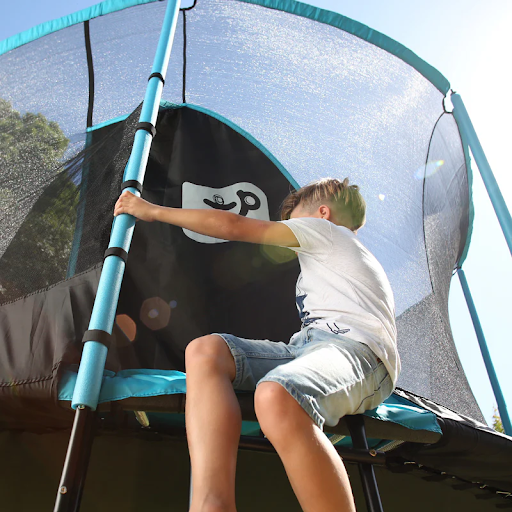
Trampolines are among the most beloved outdoor toys, and they are fantastic for developing a child’s confidence.
The sheer joy of bouncing, the physical exercise, and the thrill of mastering new tricks contribute to a child’s emotional well-being.
Trampolines offer a safe platform for children to push their boundaries, which is a crucial element in confidence-building. Each jump can be a small step towards overcoming fears and trying something new.
Safety First
Before we delve deeper into the benefits, it’s essential to discuss safety, as trampolines have been a topic of concern for many parents.
Ensuring you have a trampoline with safety nets and padding and supervising children while they play can mitigate most risks. Regular maintenance checks are crucial to keep the equipment safe for use.
Structuring Play for Confidence Building
The way play is structured can significantly influence its impact on confidence. Here are some ways you can organise playtime to enhance its benefits:
- Encourage Cooperative Play: Activities that require children to work together towards a common goal can boost social skills and self-esteem. Organising games where children need to cooperate teaches them about teamwork and empathy.
- Set Achievable Challenges: Whether it’s climbing a little higher or learning to do a somersault on the trampoline, setting achievable challenges can help children see tangible evidence of their capabilities.
- Celebrate Efforts, Not Just Success: It’s important to praise effort and resilience, not just success. This approach helps children understand that it’s okay to make mistakes and that persistence is valuable.
- Provide Gentle Guidance: While it’s beneficial for children to explore freely, occasional guidance can help them learn how to approach tasks effectively and safely, especially when trying out new equipment like trampolines.
The Role of Imaginative Play
In addition to physical toys, imaginative play is a crucial aspect of building confidence.
Children create scenarios and roles that allow them to experiment with different aspects of their personality. For instance, a simple fort made from blankets and chairs can become a castle, spaceship, or hidden cave, providing endless opportunities for adventure and self-expression.
This type of play allows children to step into various roles, from kings and queens to astronauts and explorers, thereby expanding their worldviews and enhancing their ability to empathise with others.
Encouraging Independence
While supervision is necessary, especially with physical activities like trampoline use, it’s important to strike a balance that also allows for independent play.
Giving children space to play on their own helps them learn decision-making and self-reliance, fostering a sense of independence that is closely linked to self-confidence.
This autonomy in play not only nurtures problem-solving skills but also allows children to explore their own limits and capabilities, which is essential for their development into confident, capable individuals.
Conclusion
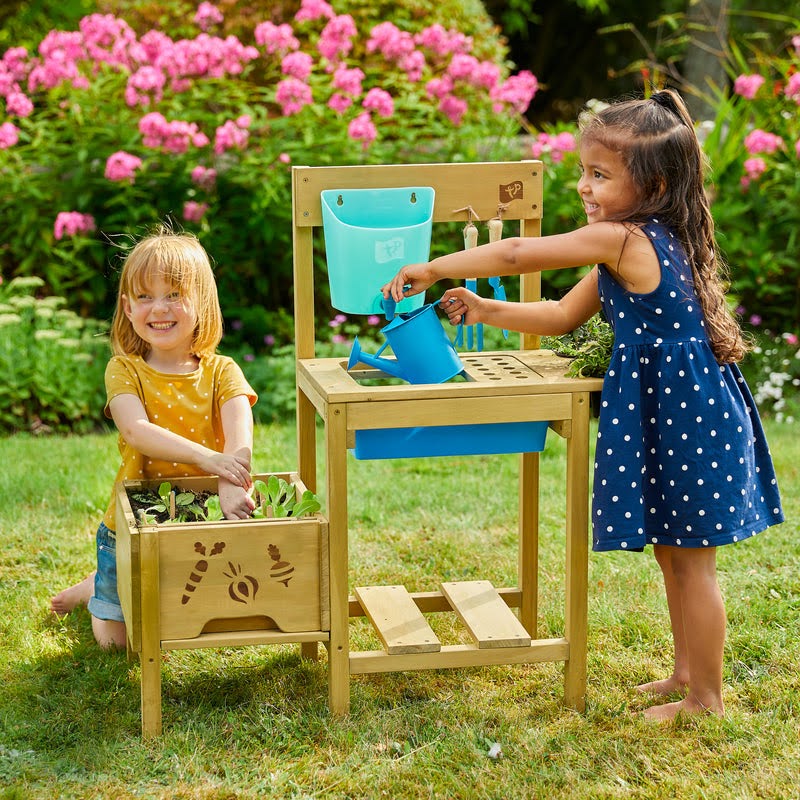
Incorporating play into daily routines is more than just a way to keep children entertained; it’s a fundamental part of their development. Outdoor toys and trampolines offer unique opportunities to build physical skills and confidence.
By creating a safe and supportive environment where children can explore and challenge themselves, parents can help nurture resilient, confident young individuals ready to face the world with enthusiasm and self-assurance.