There’s something really comforting about knowing someone’s nearby when you need them. But what if you live alone? Or what if you don’t want to call someone every time you feel a little off? That’s where today’s safety tech comes in—quiet tools that work in the background, always ready, without needing you to say a thing.
A lot of older adults want to stay at home and keep doing what they’ve always done. That’s totally fair. But accidents still happen—people slip, get dizzy, or suddenly feel sick. The good news is, there are smart ways to be safe that don’t get in your way or make you feel watched all the time.
Smart Devices That Just Work
Not all safety tools are loud or hard to use. Some are built to do their job without needing much from you. Take automatic fall detectors, for example. You wear one around your neck or wrist, and if you fall, it can send out an alert even if you don’t press a button. No need to explain what happened. Help is already on the way.
There are also things like smart lights that turn on when you walk into a room. That might seem small, but if you’re walking around at night and can’t see well, it really helps you avoid tripping. Some lights even come with motion sensors that light your path without you doing anything at all.
Even doorbells have changed. Smart ones can let family members see who’s at the door and check in without needing a phone call. It all happens quietly, but it gives everyone peace of mind.
Help at Home That’s Always There
The place where most accidents happen isn’t outside—it’s inside the home. Bathrooms, kitchens, and stairs are the biggest trouble spots. That’s why it’s smart to think about what would happen if you needed help and couldn’t speak.
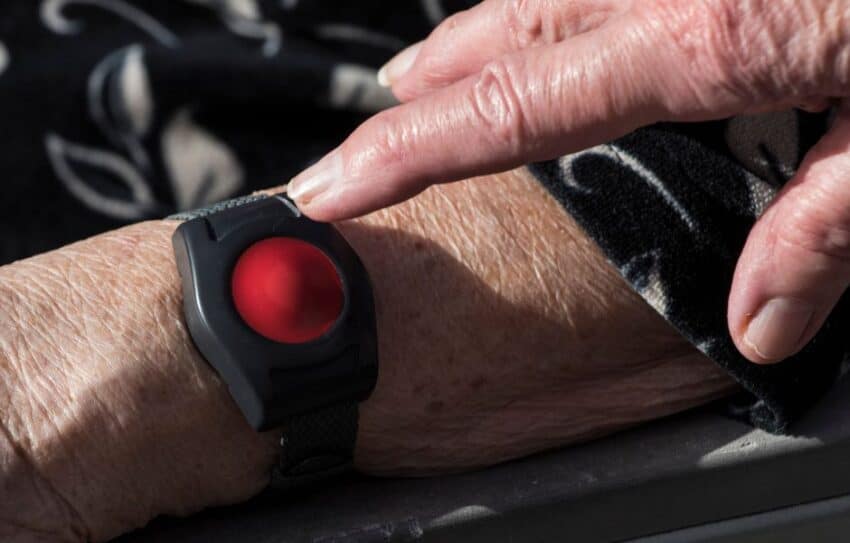
One way to fix that is by using a home medical alert system. You just wear a small device, and if something goes wrong, you press a button. Someone answers right away and sends help if you need it. Some systems even connect through the wall or a base unit so you don’t need a phone.
The best part? You don’t have to explain what happened in perfect detail. Just pressing the button is enough. You don’t need to shout or get to your phone. The system does the talking for you.
Safety Features That Don’t Feel Like Tech
Lots of people worry that safety gear will make their home feel like a hospital. But most new devices don’t look high-tech or complicated. They’re made to blend in and feel normal.
There are sensor mats you can place by the bed, so if someone gets up and doesn’t return after a while, it can alert a caregiver. There are stove shut-off timers that turn off the burner if it’s been left on too long. Even pill dispensers now have alarms that remind you to take your meds—and they only beep if you forget.
All these things work quietly and don’t change how your home feels. They just give you a little backup so you don’t have to remember everything or worry all the time.
No Need for Shouting or Calling for Help
One of the hardest parts of living alone is the idea that if something goes wrong, no one will know. A lot of people say they’re afraid of falling and not being able to get up or call anyone.
That’s where silent help really makes a difference.
Wearable alerts, motion sensors, voice-activated assistants (like Alexa or Google Home), and other devices are designed to take action even when you can’t. Some can call a family member. Others go straight to emergency help. You don’t have to make a call or yell across the room. You don’t even have to move.
It’s like having someone who’s always listening—but not in a creepy way. They’re just there in the background, waiting to help when needed.
Technology That Feels Personal, Not Pushy
There’s a difference between being helped and being watched. No one wants to feel like their family or caregivers are checking on them every second. That’s why the best safety tools today are the ones you control. You choose when to use them, and most of the time, they stay quiet.
You can go about your day, watch TV, take a nap, or do chores, and not even notice the devices working in the background. But if something goes wrong, they’re ready. And that can make a huge difference for your safety—and for your family’s peace of mind too.
What to Remember
Staying safe doesn’t mean being loud, making a scene, or needing someone by your side 24/7. It can be as easy as wearing a small device or plugging in a smart light. These tools are made to help without bothering you. And in a real emergency, they speak for you—so you don’t have to.
You don’t need to wait for something bad to happen to start thinking about safety. With today’s tech, help can come without saying a single word. That’s not just smart. That’s comforting.