
Are you looking to make your home eco friendly? There are lots of simple steps you can take to begin creating a more sustainable home.
1. Use Your Heating Less
Using your heating less is a great way to reduce your carbon footprint and there are many steps you can take to this.
Turn Your Heating Down By One Degree
Turning your heating down by just one degree can reduce your carbon emissions by up to 0.07 tonnes and reduce gas and electric bills by as much as 10% over the course of the year.
As one degree is such a small amount, you might not even notice the difference!
Invest In A Smart Heating Control System
Having smart heating controls allows you to change your heating from wherever you are from your smartphone.
Last minute overnight trip? You can turn the heating off until you get back.
Did you forget to adjust the heating while on holiday? No problem.
Clean And Bleed Your Radiators
While your heating is switched on during the winter months, you’ll want to ensure that it is as efficient as possible, in keeping up with radiator maintenance is one way to do this.
Radiators should be bled twice a year to ensure they are working fully.
A build-up of dust can also cause radiators to become less efficient, so give them a thorough clean towards the end of summer.
Eliminate Draughts
Draughts are one of the main reasons heat escapes from your home and makes it feel colder than it is.
This in turn means your heating needs to be on for longer to keep your home warm
Simple solutions include insulation tape to block draughts around windows and door-brushes to prevent heat loss under doors.
Related Posts:
How To Make Your Bedroom Feel Warmer
How Good Window Insulation Can Reduce Energy Bills
2. Ensure Your Home Is Properly Insulated
Properly insulating your home helps keep the heat in during winter and ensures your home remains cool in the summer, as the walls and roof take longer to absorb and transfer heat.
While the most heat is lost through walls, as much as 25% can be lost through the roof and insulating your attic is something you can attempt yourself if you are handy at DIY.
If it’s not something you want to attempt yourself, you could consider having your attic space insulated during other renovations rather than as a stand-alone project which might seem costly if paying a contractor to do it.
A carpet with a good underlay is the best way to insulate floors, however, if carpeting your entire home is unaffordable you could opt for some low-cost rugs as a temporary measure.
3. Recycle Everything You Can
Recycling is an important part of any eco friendly home and while some things can be trickier to recycle than others, if you’re willing to put in the effort then the majority of household items can be recycled.
Here are some common items that you might not know can be recycled.
Batteries – can often be recycled at your local supermarket.
Crinkly Plastic – if not accepted curbside this can often be recycled at your local supermarket.
Batteries – These can be recycled at some supermarkets
Glass Candle Jars – These can usually be recycled kerbside if all the wax is removed.
Coffee Pods – Different elements need to be separated before being recycled.
Pringles Tubes – Can be recycled at Bring Banks.
4. Purchase Second-Hand Home Furnishings
There are several benefits to purchasing second-hand furnishings for your home.
As well as saving you money and being eco-friendly, buying preloved furniture may mean you can afford to buy better quality and in turn, the items in question should last longer.
If you buy from thrift stores you are supporting local charities and if you buy from small businesses that upcycle furniture, you’re putting money into your local economy.
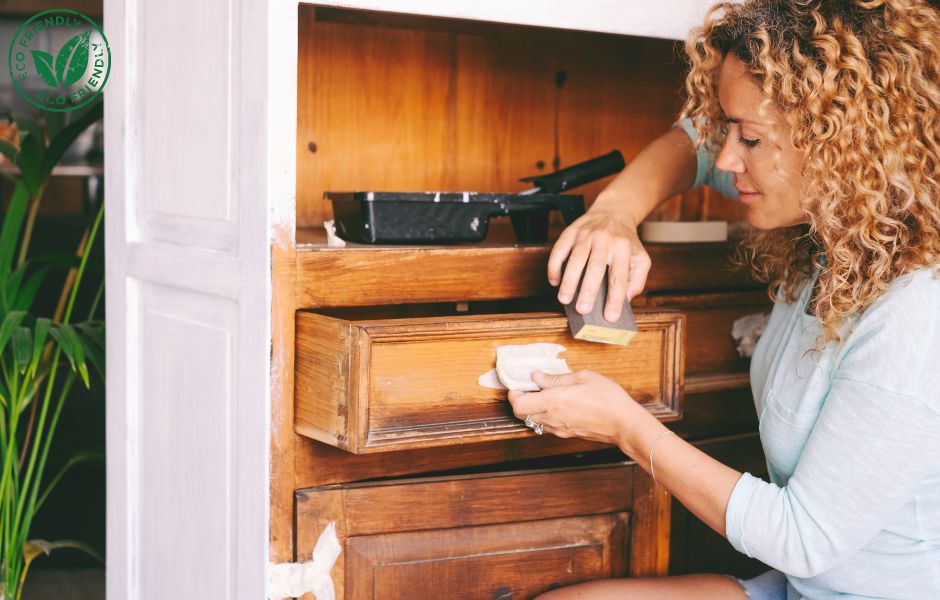
Whether you buy from charity shops (charities such as the British Heart Foundation have dedicated furniture and white goods shops) or pick up some from Facebook marketplace buying second-hand furniture is a great way to reduce your carbon footprint.
And if you really can’t resist the lure of modern, white flatpack furniture, Ikea recently launched their circular hub where you can rebuy previously used pieces of their most popular furniture.
5. Install Solar Panels
When it comes to ways to make your home eco friendly, there are some things that you might need to spend money on, and solar panels are one of them.
Solar energies do not produce greenhouse gases or air pollution when in use.
Furthermore, more solar panels can eliminate the need to rely on other energy sources, such as gas, that have a big impact on the environment.
Related Post: Is now a good time to install solar energy in your home?
6. Avoid Artificial Grass
Artificial grass has become extremely popular in recent years, due to being low maintenance and seemingly perfect for those with young children and animals that might mess up a normal lawn.
However, artificial grass is terrible for the environment.
For a start, it’s made from plastic and when it’s finished, it will end up in landfill.
Using artificial grass also destroys natural habitats for many insects including bees, whose population is declining.
If you want an eco friendly home, opt for a lawn in your garden and participate in initiatives such as No-Mow-May to encourage wildlife.
7. Use LED Bulbs
As your bulbs gradually wear out, replace them with LED light bulbs which are much more energy-efficient.
8. Start Using A Compost Bin
Composting is a great way to reduce your household waste and compost bins can be purchased relatively cheaply.
Here are some waste items that can be added to your compost bin:
- Grass Cuttings
- Coffee Grounds
- Egg Shells
- Tea Bags (that don’t contain plastic)
- Shredded Newspapers
- Peel from fruit and vegetables
- Plain cardboard (avoid adding glossy cardboard used for food packaging)
A mix of items works best and don’t forget to turn (mix) your compost often, although always check for any creatures that might be hiding in there first!
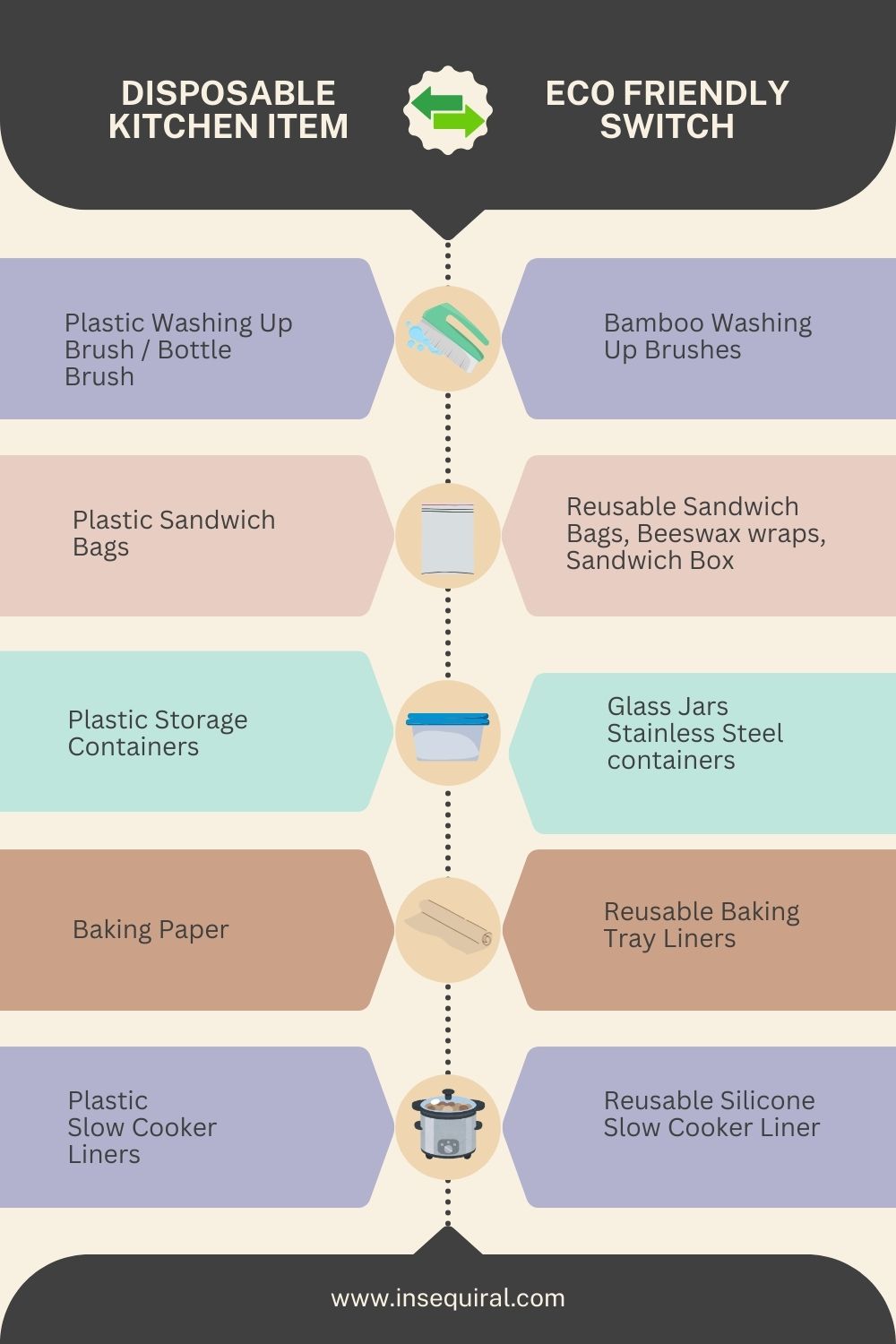
9. Avoid Disposables In The Kitchen
Switching from disposable to reusable in your kitchen is a great way to make your home more eco-friendly.
While there is a small initial cost, items won’t need replacing as often, so you should save money in the long run.

10. Ask your Energy Supplier To Install A Smart Meter
If you don’t already have a smart meter, you can ask your energy supplier to install one.
Smart meters help to monitor your energy usage in real time, allowing you to make simple changes to reduce your consumption.
11. Make Your Own Cleaning Products
Making your own cleaning products doesn’t have to be complicated and you can even reuse cleaning spray bottles that you already have.
Lemon juice and white vinegar are both excellent natural cleaners and you can use essential oils to add some lovely aromas.
Take a look at these homemade cleaning product recipes below:
Homemade All-Purpose Cleaner with Essential Oils
Homemade Green Cleaning Products
12. Book A Boiler Service
An inefficient boiler is not an eco-friendly one, so regular servicing and maintenance is essential for anyone looking for a more sustainable home.
When you service your boiler, make sure to get a gas safety certificate at the same time. Ask your engineer about the gas safety certificate cost to ensure your home stays safe and energy-efficient.
Related Post: How To Make Your Boiler Last Longer
13. Grow Your Own Veggies
Growing your own fruit, vegetables and salad leaves is one way to reduce your food miles and in turn, reduce your carbon footprint.
Homegrown produce also contains fewer chemicals, often tastes better and could save you money if you’re willing to put in the time and effort.
How To Get Kids Excited About Veggies: Grow Your Own
14. Turn Appliances Off At The Plug
Have you heard of vampire devices?
These are appliances that use a huge amount of energy if they remain plugged in even when the device isn’t being used or in standby mode.
Some of the worst culprits are PCs, phone charger leads, game consoles and televisions.
Getting into the habit of switching these devices off at the plug after each use will make your home much more sustainable and will also reduce your energy bills.
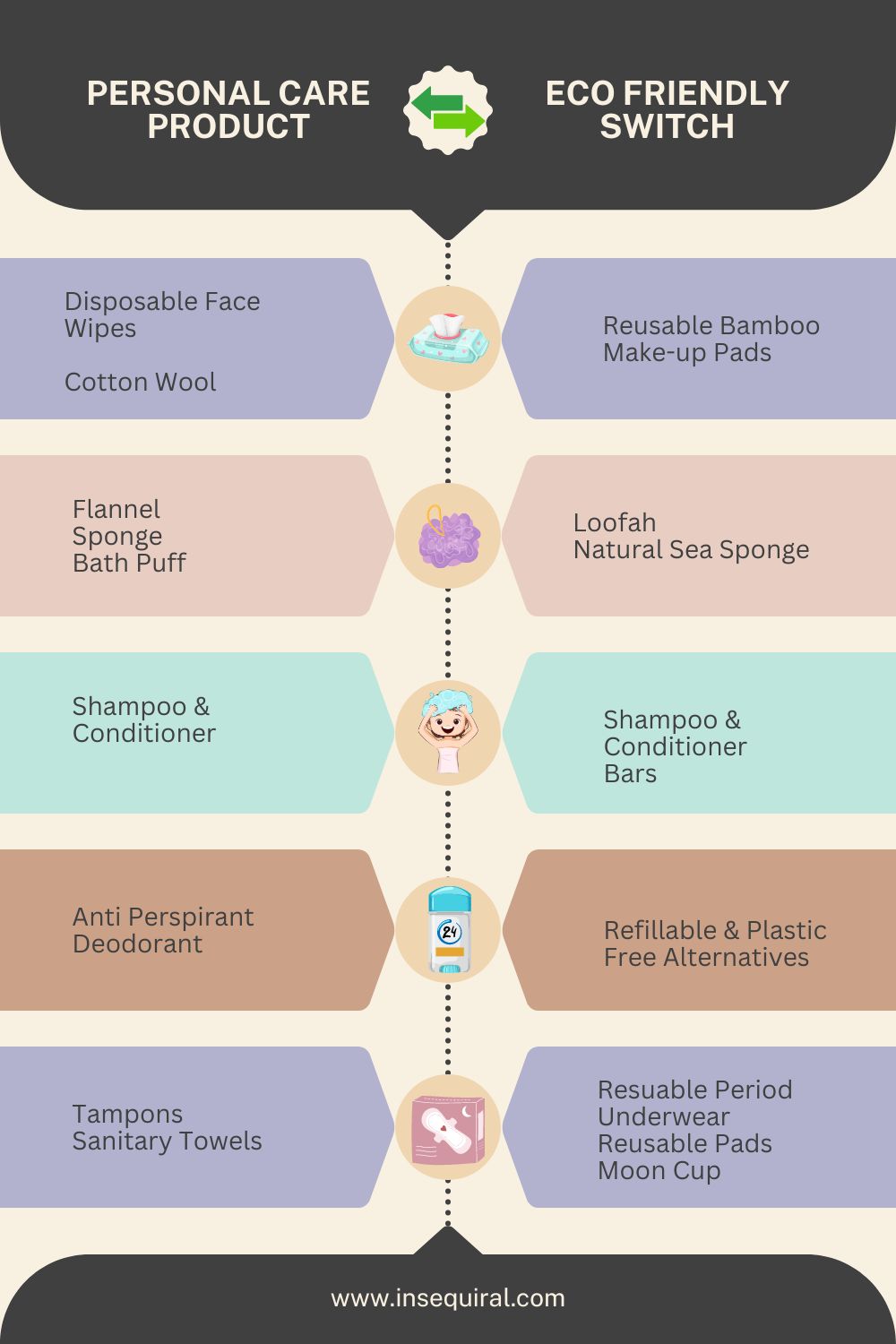
15. Switch To Eco-Friendly Personal Care Products
As well as switching to eco-friendly products in the kitchen, you could also consider switching to some more sustainable personal care products.
It can sometimes be challenging to find products that are a good fit, so you might want to consider changing one product at a time until you find alternatives you are really happy with, such as switching your regular shampoo for a shampoo bar.
Another option could be to make you own products, for example, you could try making Homemade Lip Balm.
16. Reduce Food Waste
Did you know that one-third of all food produced in the world ends up as food waste?
To have an impact on climate change, we need to drastically reduce our food waste across the entire world.
And while that might seem like a huge ask, the more individuals that reduce their food waste even the smallest amount, can start to have an impact.
Here are a few simple tips for reducing food waste:
Rotate Your Food – Use a first-in, last-out basis to ensure everything is used before it expires.
Reduce Food Miles – By growing your own produce and using local markets.
Eat Scraps – Use peel and stalks to make tasty soups.
Ignore Best Before – Best before refers to quality rather than food safety and can often be ignored.
Know What Can Be Frozen – Freezing food is a great way to preserve it for future use.
17. Make Your Home Eco Friendly By Conserving Water
There are lots of ways you can conserve water in your home.
The first and most obvious is to have any leaky taps or pipes fixed as soon you can.
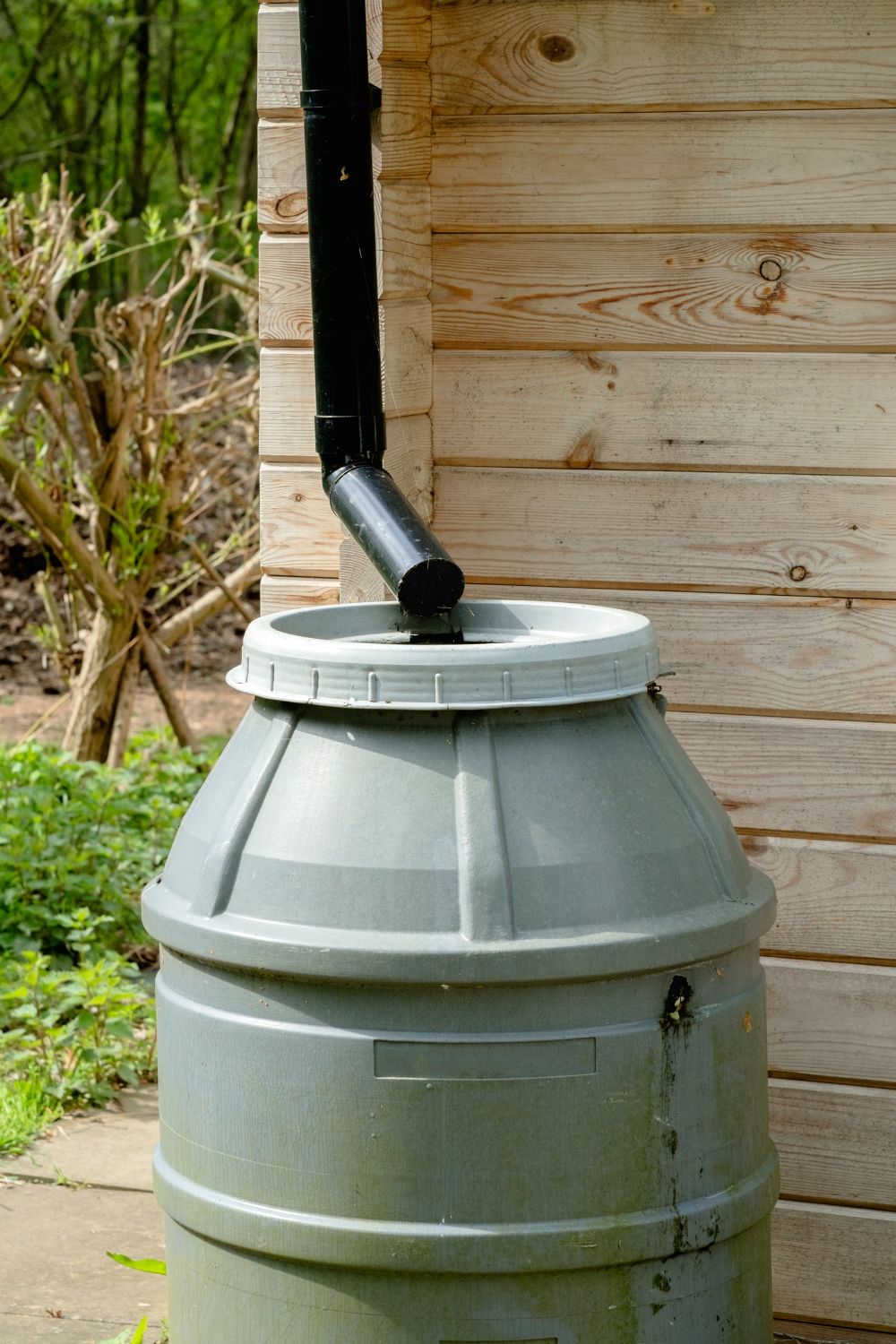
Next, you could invest in a water butt for your garden, which collects rainwater and limits the use of the hose during the summer months.
Many water companies supply packs that can help you reduce water consumption around your home, so it’s worth taking a look at their website and seeing what they can offer.
18. Invest In Thick Curtains
Curtains can be hugely expensive. However, investing in good, thick curtains for your home can help to make it more sustainable, as they help keep it warm in winter and cooler during the summer months.
If you can purchase second-hand curtains, even better!
19. Choose Triple Glazing When Replacing Windows
Replacing windows isn’t something that homeowners often do, but when you do, it is worth investing in triple glazing if you can afford it.
Similar to the curtains mentioned above, triple glazing will keep your home both warm and cool when needed, reducing your carbon footprint by lowering the need for heating and air-con.
20. Avoid ‘Fast Homeware’
Have you heard of Fast Homeware?
Fast homeware is the home decor version of fast fashion, where cheap, poorly made items are purchased and replaced, often in line with the seasons.
For an eco-friendly home, homeware purchases should be considered
Choose timeless colours and styles and invest in classic pieces that never go out of fashion rather than pandering to cheap and cheerful trends.
21. Use Eco-Friendly Paints & Wallpaper
Eco paints are usually odourless and mean that you don’t have to worry about solvents from the paint getting into the atmosphere.
Sustainable wall papers don’t contain any harmful chemicals that could pollute your home or cause unpleasant smells.
What Are The Benefits of A Sustainable Home?
There are many benefits to making your home more sustainable.
While it might be hard to believe that we as individuals can have an on climate change, the world needs many people making small changes that add up, rather than no one bothering because they don’t think they can make a difference.
Making your home more sustainable could also save you money.
Many of the tips I have shared above could help reduce household bills, meaning you’ll save money too.